
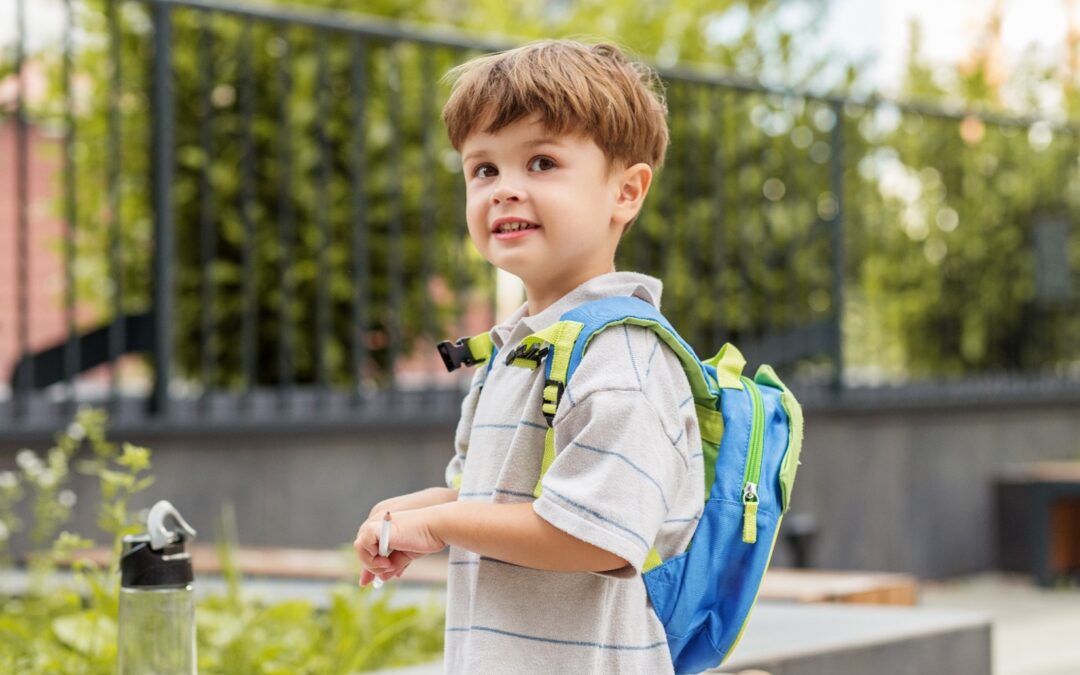
Preschool often begins around age 2 or 3 and continues through the years before pre-K or kindergarten. The exact starting age depends on the school, local requirements, and how classrooms are organized.
That still leaves many parents wondering where their child fits.
A 2-year-old starting preschool will need something different from a 4-year-old who already feels comfortable in a classroom. Both may be preschoolers, but their routines, activities, and teacher support should reflect where they are right now.
At Celebree School, preschool may include separate experiences for 2-, 3-, and 4-year-olds. Pre-K is a different stage, typically for children ages 4 and 5, with more focus on the routines and skills they will use in kindergarten. Since enrollment ages can vary by school and state, your local Celebree School can help you understand which classroom is the best fit.
What Age Do Children Usually Start Preschool?
Many children begin preschool between ages 2 and 3. Others start closer to age 4, especially when preschool is their first experience in a group setting.
There is no single starting age that applies everywhere.
One school may place children based on their age when they enroll. Another may follow a school-year cutoff date. State rules can also affect how classrooms are grouped and when children move from one program to the next.
That is why it helps to ask about the actual age range in each classroom instead of relying only on the word preschool.
Why Does Preschool Start at Different Ages?
Preschool does not always refer to one classroom or one year.
Some schools begin preschool at age 2. Others use the term mainly for 3- and 4-year-olds. Public preschool programs may follow district eligibility rules, while private schools often have several preschool stages.
The label matters less than the experience behind it. When you speak with a school, ask:
- Which classroom would my child join?
- What ages are in that room?
- What does a typical day look like?
- When do children move to the next classroom?
- How is preschool different from pre-K?
Those answers will give you a much clearer picture than the program name alone.
What Does Preschool Look Like at Age 2?
For many 2-year-olds, preschool is an introduction to being part of a classroom.
Children at this age are still learning how to tell adults what they need, move through a group routine, and handle frustration. They may enjoy being near other children without knowing how to play together for very long.
A preschool day for 2-year-olds may include:
- Short, familiar routines
- Simple directions
- Time to move and explore
- Songs, stories, and conversation
- Sensory activities
- Help with transitions
- Chances to make small choices
- Support with communication and personal care
A teacher may repeat the same reminder several times or give a child extra time to move from one activity to another. That patience is part of the process.
The goal is not to make a 2-year-old act like an older child. It is to help them feel comfortable, understood, and more confident taking part in the day.
What Changes Around Age 3?
Three-year-olds often begin staying with an activity longer. They may use more words to share ideas, ask questions, and talk with classmates.
Their play can also become more social. Children who once played side by side may begin building something together or creating a shared pretend game.
At this age, preschool may include more opportunities to:
- Join longer conversations
- Follow a few connected steps
- Take part in group projects
- Use words during disagreements
- Help with simple classroom routines
- Plan what they want to do during play
- Explore counting, patterns, and storytelling
Three-year-olds still need plenty of reminders and support. A child may follow a routine easily one day and struggle with it the next.
Teachers should expect that inconsistency and respond with patience rather than treating it as misbehavior.
How Does Preschool Grow at Age 4?
By age 4, many children are ready for more involved classroom experiences.
They may spend more time developing a pretend story, return to a project over several days, or work with classmates to solve a problem. They are also beginning to handle familiar routines with less help.
Preschool for 4-year-olds may include:
- More detailed conversations
- Longer periods of focused play
- Early writing and drawing
- Comparing, measuring, and counting
- Group projects
- More responsibility during daily routines
- Practice explaining ideas and solving disagreements
These experiences can help children feel more capable in a group, but preschool should still include movement, imagination, rest, and time to explore.
Not every 4-year-old will be ready for the same things at the same time. Teachers should pay attention to the individual child, not only the number on their birthday cake.
Preschool and Pre-K Are Different Stages
Preschool and pre-K are closely connected, but they are not the same program.
Preschool can stretch across several years. During that time, children build communication, independence, relationships, problem-solving skills, and early academic foundations through play and everyday routines.
Pre-K is typically the year or stage just before kindergarten. At Celebree School, pre-K generally serves children ages 4 and 5.
A pre-K classroom may place more emphasis on:
- Following longer classroom routines
- Working independently for more time
- Planning and collaborating with classmates
- Explaining ideas
- Managing belongings and responsibilities
- Building early literacy and math skills
- Feeling confident about the move to kindergarten
That does not mean pre-K should look like elementary school.
Children still learn through conversation, movement, play, and exploration. The difference is that teachers build on what children already know and help them practice the skills they will use next.
Does My Child Need Certain Skills Before Starting?
Children do not need to arrive at preschool already knowing how to manage a classroom.
Learning to join a group, follow a routine, ask for help, and separate from a parent are all part of the preschool experience.
Your child may already be beginning to:
- Show interest in other children
- Communicate basic wants or needs
- Follow a familiar one-step direction
- Try small tasks independently
- Take part in a short routine
- Accept comfort from another trusted adult
These can be helpful signs, but they should not become a strict checklist.
Some children begin preschool while still developing most of these skills. A caring teacher helps them grow into the routine over time.
What About Toilet Learning?
Toilet-learning expectations can vary from one classroom to another.
Some preschool rooms welcome children who are still in diapers or training pants. Others may have different expectations based on age, classroom setup, or local requirements.
It is best not to assume that your child must be fully toilet independent before starting.
Ask the school:
- What is expected in this classroom?
- How are reminders handled?
- What happens after an accident?
- What clothing should families send?
- How do teachers work with the routine used at home?
The conversation should feel practical and respectful. Children should never be made to feel embarrassed for needing help.
How Can I Tell Whether My Child Is Ready?
Preschool readiness does not look exactly the same for every child.
One child may be excited to meet other children but have a hard time saying goodbye. Another may separate easily and then feel unsure during group activities. Some children talk constantly at home and need time before speaking in a new classroom.
Think about how your child responds to:
- New adults and children
- Changes in routine
- Short periods away from you
- Group activities
- Simple directions
- Asking for help
- Busy or noisy spaces
These observations can help you talk with the school about the kind of support your child may need. They do not determine whether your child is capable of preschool.
A good program expects children to arrive with different personalities, experiences, and comfort levels.
The Classroom Fit Matters More Than the Name
Two schools may both use the word preschool while offering very different experiences. During a visit, look past the age range printed on a brochure.
Notice whether:
- The routine fits the children’s attention spans
- Teachers use language the children can understand
- Activities allow different ways to participate
- Children have time for both active and quiet play
- Independence is encouraged without being forced
- Teachers help without taking over too quickly
- Expectations change as children grow
The classroom should feel like it was planned for the children who are actually in it.
A 2-year-old should not spend the day following a schedule created for 4-year-olds. A 4-year-old should also have room to take on more involved work rather than repeating the same experience each year.
Ask How Classroom Transitions Work
Children do not always move to a new classroom on their birthday.
A school may consider age, available space, development, local rules, and the timing of the school year. Some transitions happen one child at a time, while others happen at set points during the year.
Ask how the school handles those changes. You may want to know:
- How families learn about an upcoming move
- Whether children visit the new classroom first
- What the current teacher shares with the next team
- How the routines differ
- Whether familiar classmates move together
- What happens if a child needs more time
A classroom transition should feel planned and supported, not sudden.
Find the Preschool Stage That Fits Your Child
Preschool often begins around age 2 or 3 and continues until pre-K or kindergarten, but the program name is only the starting point.
What matters most is whether the classroom offers the right mix of comfort, challenge, movement, conversation, and growing independence for your child.
At Celebree School, preschool experiences build across separate stages for 2-, 3-, and 4-year-olds, followed by a distinct pre-K program for children preparing for kindergarten. Teachers get to know each child through daily observation and ongoing communication with families.
Explore Celebree School’s preschool program and schedule a visit at a nearby school to learn which classroom may feel like the right next step for your child.