
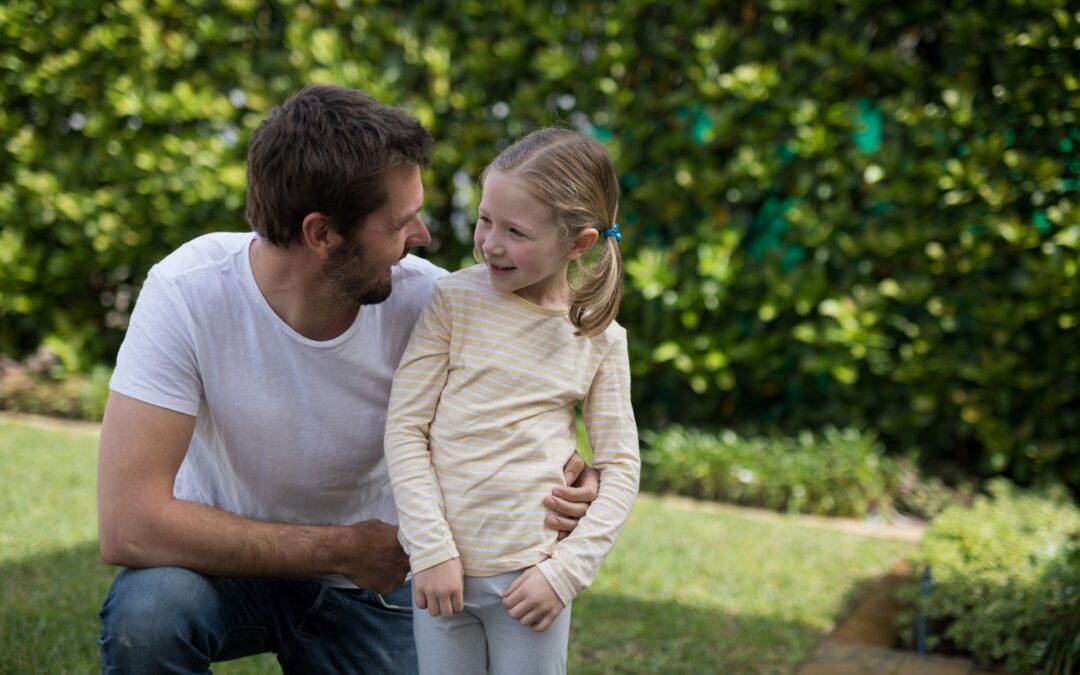
“Why do birds fly?”
You answer. Then comes another.
“Why can’t people fly?”
“Why do they have wings?”
“Why?”
“Why?”
At some point, you realize this isn’t just a question. It’s a pattern.
If you’re navigating this while using child care in Carney, MD, you’re in very familiar territory.
It can test your patience. It’s also a strong sign your child is learning.
What All Those Questions Are Really About
When your child asks “why,” they’re not just looking for an answer. They’re:
- Trying to understand how things work
- Building language and communication skills
- Learning how to carry a conversation
- Making connections between ideas
This stage often picks up during the preschool years, when curiosity becomes more intentional. At Celebree, that curiosity is something we lean into. Learning is shaped by children’s interests and questions, helping them stay engaged and confident as they explore new ideas.
You Don’t Have to Answer Everything
It can feel like you’re expected to respond to every question.
You’re not.
One of the most effective ways to respond is to turn the question back: “What do you think?”
This gives your child space to think and keeps them actively involved in the conversation instead of just waiting for an answer.
It also shifts the dynamic in a way that feels less draining.
When It’s Really About Attention
Sometimes the question isn’t about curiosity at all. It’s about connection.
You might notice this:
- After a long day
- During busy transitions
- When your child hasn’t had much one-on-one time
In those moments, your child is looking for interaction.
A few minutes of focused attention—reading, talking, or just sitting together—can meet that need more effectively than answering another round of questions.
Breaking the “Why” Loop
There are times when the question repeats, no matter how many times you answer it.
That’s when it helps to shift your response:
- “We already talked about that. What do you remember?”
- “Let’s think about it together instead of asking again.”
This keeps the conversation going without reinforcing the cycle.
When Questions Show Up at Bedtime
Bedtime has a way of bringing out very important questions.
“Why do I have to sleep?”
“Why can’t I stay up?”
At that point, it’s usually a mix of curiosity and stalling.
You can acknowledge the curiosity while still holding the boundary:
- “I love your questions. Let’s save them for the morning.”
- “Keep thinking about them so you don’t forget.”
This keeps things positive without extending the routine.
Supporting Curiosity Without Burning Out
You don’t need to be in full “answer mode” all day. It’s okay to:
- Engage more deeply when you have the capacity
- Keep responses simple when you don’t
- Set small limits when the questions become overwhelming
Curiosity doesn’t require constant answers to be supported.
What Your Child Is Learning
All of those “why” questions are building important skills. Your child is learning how to:
- Think through ideas
- Express curiosity
- Engage in conversation
- Explore cause and effect
At Celebree, teachers observe those interests and use them to guide learning experiences. This kind of intentional, play-based learning helps children stay engaged while building confidence in how they think and communicate.
It’s Okay Not to Have the Answer
You don’t need to know everything. It’s completely appropriate to say:
- “I’m not sure.”
- “That’s a great question.”
- “Let’s figure it out later.”
What matters is that your child feels heard and encouraged to keep asking.
Curiosity Is Something to Protect
It can feel repetitive.
It can push your patience.
It’s also how your child learns about the world.
When you respond with a balance of engagement, flexibility, and boundaries, you’re helping your child hold onto something that matters: the ability to ask questions and seek understanding.
Supporting Curious Learners in Carney
If you’re using child care in Carney, MD, you may notice your child bringing home more questions as they grow.
That’s often a reflection of an environment that encourages curiosity and exploration.
At Celebree School of Carney, children are supported as they ask questions, test ideas, and build confidence in their thinking. Teachers use those moments to guide learning in a way that feels natural and meaningful.
When that same curiosity is supported at home, it creates a consistent experience that helps your child feel confident exploring the world around them.