
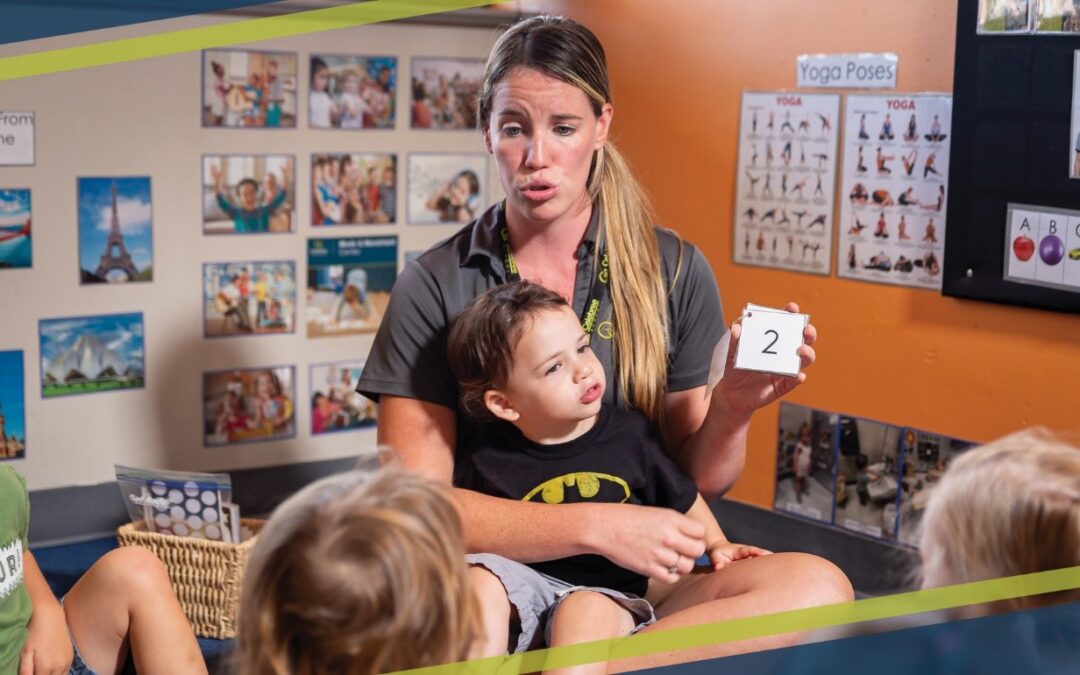
A clean classroom and a thoughtful curriculum matter when you are comparing daycare options. Still, some of the most useful information may come from the moments that are easy to overlook.
Watch what happens when a child needs help opening a container. Notice how a teacher responds when two children reach for the same toy. Pay attention to whether children seem comfortable approaching the adults in the room.
When you visit a daycare in Ellicott City, MD, these everyday exchanges can help you understand how children are treated, supported, and encouraged throughout the day. They offer a closer look at what your child’s experience may feel like once the tour is over and the regular classroom routine begins.
Notice How Teachers Welcome Children
Arrival can tell you a great deal about the tone of a classroom.
Some children enter ready to play. Others stay near the doorway, need a hug, or take a few minutes to watch what is happening. Look for teachers who recognize these differences and respond without rushing the child.
A warm welcome may include:
- Greeting the child by name
- Acknowledging the parent or caregiver
- Offering comfort without forcing participation
- Helping the child connect with a familiar activity
- Giving a hesitant child time to observe
The welcome does not need to be elaborate. What matters is whether the teacher notices the child and helps them enter the day in a way that feels manageable.
Listen to the Way Teachers Speak
Young children are still learning how to communicate, manage frustration, and understand other people. The language teachers use can shape those skills.
During your visit, listen for a calm and respectful tone. Teachers should give directions children can understand without speaking harshly or relying on constant commands.
You may hear a teacher explain what is happening, name a child’s feeling, or offer a simple next step. For example, instead of saying, “Stop crying,” a teacher might acknowledge that the child misses their parent and offer to sit nearby until they are ready to join an activity.
Also notice whether teachers make room for conversation. Do they respond when a toddler points to something? Do they listen when a preschooler tells a long story? Do they ask questions that invite children to think and share?
These interactions help children feel heard while supporting language development.
Watch What Happens When a Child Is Upset
A daycare tour will not always show a classroom where every child is happy. That is not necessarily a concern.
Young children cry, become frustrated, resist transitions, and miss their families. What matters is how the adults respond.
Look for teachers who remain present and composed. They may offer physical comfort, use a familiar routine, help the child find words, or provide a little space while staying close.
A supportive response should not make the child feel embarrassed for having a difficult moment. The teacher’s role is to help the child regain a sense of safety and move forward when they are ready.
You can ask what teachers typically do when a child has a hard drop-off, becomes overwhelmed by the room, or struggles during a transition. The answer should reflect patience and an understanding that children need different forms of support.
See Whether Teachers Are Part of the Play
Children learn a great deal through play, but that does not mean teachers should remain on the other side of the room.
Look for adults who are available and engaged. A teacher might sit near children building with blocks, help extend a pretend-play story, or ask what a child notices during an art activity.
Teacher involvement should support the play rather than control it. Children still need room to make choices, experiment, and follow their own ideas.
You may notice a teacher:
- Adding a new word to a toddler’s conversation
- Helping children think through a problem
- Encouraging a child to try something independently
- Introducing a new material when interest begins to fade
- Watching closely without interrupting focused play
These small choices show whether teachers understand how to help learning develop naturally throughout the day.
Pay Attention to Children Who Are Not Joining In
Not every child will move toward a group activity immediately.
Some children like to watch before participating. Others may prefer quiet play, need more time with a new teacher, or feel overwhelmed by a busy room.
Notice whether teachers recognize the child who is standing at the edge of the group. A thoughtful teacher may offer an invitation without pressure, bring part of the activity closer, or stay nearby until the child feels comfortable.
A child should not have to be the loudest or most outgoing person in the classroom to receive attention.
This can be especially important if your child is slow to warm up, sensitive to noise, or more comfortable joining activities on their own terms.
Observe How Teachers Guide Conflict
Disagreements are part of being in a classroom with other children.
Toddlers may grab a toy because they do not yet know how to ask for a turn. Preschoolers may argue about roles during pretend play or become frustrated when another child changes the plan.
Watch whether teachers respond with guidance rather than immediate punishment. They may help children identify the problem, use words, wait, trade, or find another solution.
Young children will not resolve every conflict independently. They need adults who can keep everyone safe while gradually teaching the skills involved.
You can ask how teachers handle biting, hitting, toy conflicts, and other common classroom challenges. A clear answer should address both immediate safety and the skills children are still learning.
Look at How Teachers Support Independence
A strong daycare program gives children chances to try things for themselves while keeping help within reach.
During a visit, you may see children washing their hands, putting away materials, serving part of a snack, or making a choice between activities. These experiences can build confidence and practical skills.
The teacher’s response matters when a child struggles. Do they take over immediately, or do they offer just enough help for the child to continue?
Supportive teachers understand that independence develops gradually. A two-year-old may need help pulling up a waistband. A preschooler may open most of a lunch container but still need assistance with the final corner.
The goal is not to expect children to manage everything alone. It is to help them experience the satisfaction of taking part in their own routines.
Notice How Transitions Are Handled
Cleanup, meals, outdoor play, and rest all require children to stop one activity and move into another.
These shifts can be difficult, particularly for toddlers and children who become deeply involved in play. Watch how teachers prepare the group.
They may provide a short warning, use a song, give children a small job, or tell them what will happen next. Clear cues can make the change easier to understand.
A well-run transition may still include a child who protests or needs extra help. Look for flexibility within the routine. Teachers should be able to keep the group moving while responding to individual needs.
Ask How Teachers Get to Know Your Child
A tour provides only a short look at the classroom. It is also important to ask how teachers learn about children over time.
Useful questions may include:
- What information do you ask families to share before the first day?
- How do you learn a child’s comfort cues and interests?
- How do teachers communicate changes in sleep, eating, or behavior?
- What happens when a child is having difficulty adjusting?
- How do teachers share developmental observations with families?
- Who should a parent contact with a classroom concern?
The answers can show whether the school views parents as partners and whether teachers make an effort to understand the child beyond the basic care routine.
Consider How the Classroom Feels
After watching the interactions, step back and think about the room as a whole.
A supportive classroom does not have to be silent. Children may be laughing, talking, moving, or expressing frustration. The more useful question is whether the activity feels purposeful and whether adults remain aware of what children need.
Ask yourself:
- Do children seem comfortable seeking help?
- Are teachers attentive without hovering?
- Is the tone respectful?
- Are children given time to explore?
- Do adults respond calmly when something goes wrong?
- Can you picture your child building trust with the teachers?
These observations may help you understand more than a perfect display board or a carefully prepared tour script.
Find a Classroom Where Your Child Can Be Known
Your child will spend much of the day in ordinary moments: arriving, playing, eating, resting, solving problems, and asking for help. The quality of the relationships around them influences how those moments feel.
At Celebree School of Ellicott City, teachers work to build connections with each child while supporting learning, communication, and growing independence. Families considering daycare in Ellicott City, MD, can schedule a visit to meet the team, see the classrooms, and observe how teachers interact with children throughout the day.