
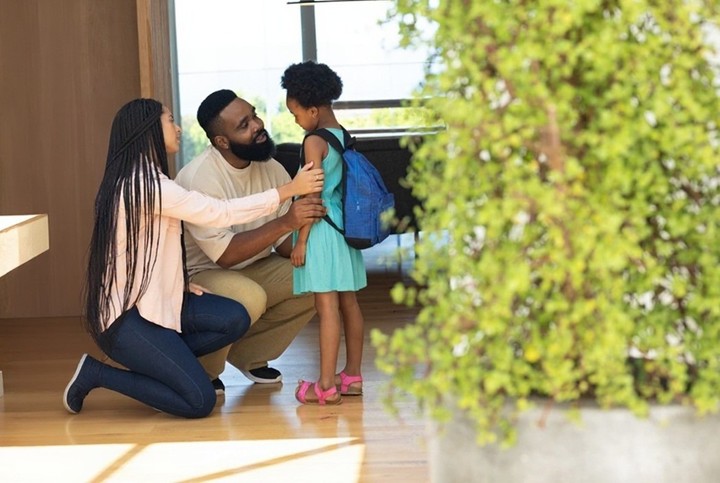
If you’re preparing to enroll your child in daycare, you may be wondering whether you’re doing it at the right time.
It’s a question many parents wrestle with. Some worry their child is too young. Others wonder if they’ve waited too long. In between those two concerns sits a common question:
What is the hardest age to start daycare?
The answer is probably not what most parents expect.
There isn’t one age that consistently causes the most difficulty. In fact, children can thrive when they start daycare as infants, toddlers, preschoolers, or pre-K students. Each age comes with different developmental needs and different adjustments, but no stage guarantees a difficult transition.
What often matters more is how your child approaches new experiences and whether they have the support needed to feel comfortable as they settle into a new environment.
Children Don’t Read the Parenting Books
If you’ve spent any time researching daycare, you’ve likely encountered general advice about child development.
While developmental milestones are helpful, real children rarely follow a script.
You may have a toddler who confidently walks into a new classroom while another child the same age needs extra reassurance. A preschooler might eagerly introduce themselves to everyone in the room, while another prefers to quietly observe before joining an activity.
These differences are part of what makes children unique.
That’s why educators are often cautious about making predictions based solely on age. Personality, temperament, and previous experiences all play a role in how children respond to a new setting.
Starting Daycare as a Baby
Infants experience daycare differently than older children.
They’re not thinking about friendships or classroom activities. Their focus is much more immediate. They want to know that their needs will be met and that the people caring for them are responsive and consistent.
When babies receive nurturing care and predictable routines, they begin developing trust in their caregivers and environment.
For many families, the bigger adjustment happens at home.
Leaving your baby with someone else for the first time can feel emotional, even when you’re confident you’ve found a wonderful program. As you see your child become familiar with their teachers and comfortable with the daily routine, that transition often becomes easier for everyone involved.
Why Toddlers Have a Reputation for Difficult Drop-Offs
There is a reason toddlerhood comes up so often in conversations about daycare.
Children at this age are becoming more independent, but they still draw a tremendous amount of comfort from familiar people and routines. They’re also becoming more aware of changes happening around them.
That awareness can lead to strong reactions.
Your child may be excited about seeing their teacher and still become upset when it’s time to say goodbye. They may have a great day and then tell you they don’t want to go back tomorrow.
Neither response is unusual.
Toddlers are learning how to manage emotions, adapt to change, and build confidence outside of their immediate family circle. Those are big developmental tasks, and they don’t always happen quietly.
Preschoolers Are Thinking About Connection
As children grow, their attention often shifts toward the social side of daycare.
Many preschoolers want to know whether they’ll make friends, enjoy the activities, and feel comfortable in the classroom community. They become increasingly aware of the people around them and start developing a stronger sense of identity.
Because of this, the transition into daycare can sometimes revolve around belonging rather than separation. Children want to know where they fit.
A nurturing preschool environment helps answer that question by creating opportunities for collaboration, exploration, and positive social interactions. Over time, children begin seeing themselves as valued members of the classroom community.
Starting Daycare During the Pre-K Years
Some families don’t begin daycare until their child is approaching kindergarten.
Parents occasionally wonder whether an older child will struggle because they’re more aware of the changes taking place.
What often gets overlooked is that older children usually bring additional strengths to the transition.
They can often express concerns more clearly, ask questions, and understand explanations about what to expect. They may still feel nervous, but they generally have more tools available to help them process those feelings.
For many children, pre-K becomes an opportunity to strengthen independence, develop social confidence, and prepare for the routines they’ll encounter in elementary school.
What Makes the Biggest Difference?
After years of working with young children, educators tend to notice that successful transitions share a few common characteristics.
Children benefit from consistent routines because predictability helps them feel secure. They benefit from strong relationships with teachers who take the time to know them as individuals. They benefit when families and educators communicate openly and work together to support the child’s needs.
Most importantly, children benefit from patience.
Adjustment isn’t something that happens on a schedule. Some children need a few days to feel comfortable. Others need several weeks. Both experiences are perfectly normal.
Looking Beyond the First Day
Parents often place a lot of importance on the first drop-off.
That’s understandable. It’s a significant milestone. But the first day rarely tells the full story.
The real story unfolds over time as your child becomes familiar with the classroom, builds relationships, and gains confidence navigating new experiences. Eventually, what once felt unfamiliar becomes part of their daily routine.
That’s when many families begin noticing the benefits of a quality daycare experience. Children become more independent, more confident, and more comfortable interacting with the world around them.
Focus on the Environment, Not the Age
The search for the hardest age to start daycare usually comes from a place of wanting to do what’s best for your child. The encouraging news is that there isn’t a narrow window for success.
Children can thrive at many different starting points when they’re supported by caring adults and surrounded by opportunities to learn and grow.
At Celebree School of East Louisville, we create an environment where children feel safe, valued, and encouraged to develop at their own pace. Through nurturing relationships, intentional learning experiences, and a whole-child approach to education, we help children build the confidence they need for school and for life.
If you’re exploring daycare in East Louisville, KY, we’d love to show you how our programs help children and families navigate important milestones with confidence.