
At some point this summer, it’s coming:
“I’m bored.”
And while it can feel like a cue to jump in and fix it, boredom isn’t something to eliminate. It’s a pause. A moment where your child is deciding what to do next—and learning how to do that on their own.
If you’re balancing routines, work, and child care in Thorndale, PA, the goal isn’t to fill every gap. It’s to guide your child through those moments in a way that builds independence and confidence.
Don’t Rush to Solve It
Your first instinct might be to offer ideas right away. Try holding back just a bit.
Instead, you can say:
- “It’s okay to feel bored sometimes.”
- “You’ll figure something out—I’m here if you need help getting started.”
- “Take a minute and see what sounds fun to you.”
This keeps the tone supportive, while still giving your child space to think.
Use 10 Minutes of Focused Attention First
Before boredom turns into frustration, a short burst of connection can make a big difference.
Try:
- Sitting down to build, draw, or play together for 10 minutes
- Giving your full attention, no multitasking
- Then stepping back once your child is engaged
This works because children often seek connection before they can settle into independent play. Once they feel “filled up,” they’re more likely to continue on their own.
What Boredom Looks Like by Age (and How to Respond)
Toddlers (1–3): It Shows Up as Movement and Mischief
Toddlers don’t say they’re bored. They act it out.
You might notice:
- Climbing on furniture
- Dumping toys or moving quickly from one thing to another
- Wanting constant attention
What helps:
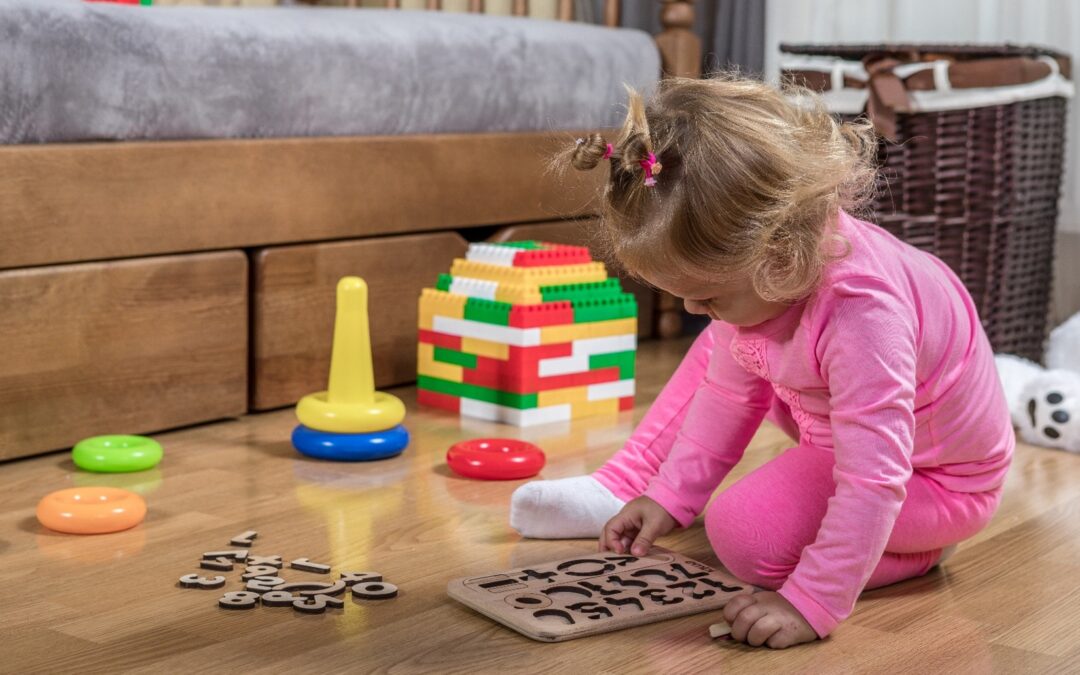
- Start an activity with them (stacking, simple pretend play)
- Keep options limited and easy to access
- Step back once they’re engaged
What to say:
- “Let’s play with this together for a minute.”
- “Do you want to stack or roll the ball?”
They need help getting started before they can keep going.
Ages 4–6: They Need a Starting Point
Kids at this age have imagination, but they often don’t know how to begin.
Instead of solving boredom, guide it:
- “Do you want to build something or draw something?”
- “Should we set up a pretend game or a puzzle?”
You can also offer a small challenge:
- “Can you build something for me to guess?”
- “Start a story, and I’ll add to it later.”
Once they’re moving, they usually take it from there.
Ages 6–8: They’re Capable, But Hesitant
At this stage, kids often say “I’m bored” because they don’t want to initiate.
Give structure without taking over:
- “You’ve got a few choices: create something, play outside, or start a game.”
- “Come up with a plan, and I’ll check in with you in a bit.”
You’re encouraging independence while still staying present.
Ages 8–10: Give Them Ownership
Older children can handle more independence, but they still need boundaries.
Try:
- “What’s your plan for the next 30 minutes?”
- “Do you want to do something creative or something active?”
- “Pick one thing you’ll work on before we check back in.”
This helps shift them from waiting to creating.
For Working Parents: Focus on the Evening Reset
If your child is in child care during the day, you don’t need to recreate a full day of activities at home.
Instead:
- Spend 10 focused minutes reconnecting after pick-up
- Offer one or two simple options for the evening
- Let your child carry that momentum into independent play
Connection first. Activity second.
For Stay-at-Home Days: Set the Stage, Then Step Back
If you’re home during the day, the instinct might be to keep things moving constantly.
Instead:
- Set up a few simple activity options ahead of time
- Rotate materials instead of introducing new ones all day
- Allow natural pauses between activities
Those in-between moments are where creativity starts to show up.
Let Boredom Do Some of the Work
Boredom can feel uncomfortable in the moment, but it’s often where creativity begins.
When children learn how to move through it, they build:
- Problem-solving skills
- Imagination
- Independence
Those are skills that last far beyond summer.
Making Summer Feel Balanced in Thorndale
If you’re using child care in Thorndale, PA, your role at home isn’t to fill every moment. It’s to support your child’s ability to engage, explore, and connect.
At Celebree School of Thorndale, children experience intentional play, guided independence, and consistent routines throughout the day. Bringing that same approach home—especially during those “I’m bored” moments—can help your child build confidence in how they spend their time.