
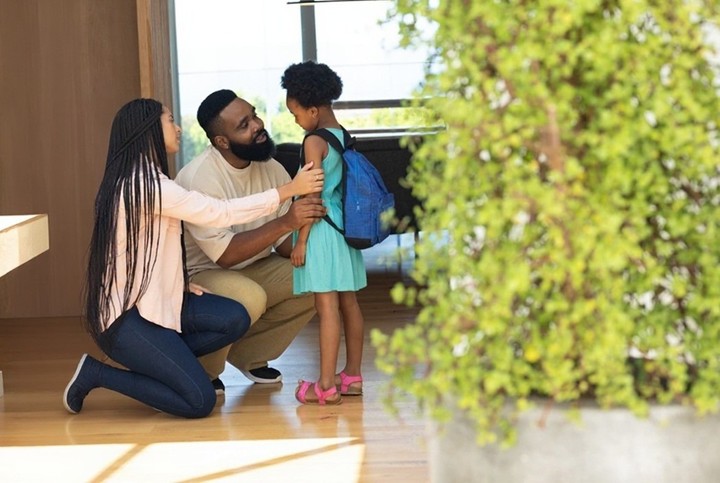
One of the most common worries parents have about starting daycare isn’t about academics, meals, or schedules. It’s whether their child will be okay.
Will they feel comfortable in a new environment? Will they miss home? Will they make friends? Will they adjust quickly, or will it take time?
Those questions often lead to another one: What is the hardest age to start daycare?
It’s a question parents have been asking for years, but the answer isn’t as clear-cut as many expect.
There is no age that guarantees an easy transition, just as there is no age that guarantees a difficult one. Children are individuals. They bring their own personalities, preferences, and experiences with them, and those factors often have a bigger influence on the adjustment process than age alone.
What You’re Really Asking
When parents ask about the hardest age to start daycare, they’re often trying to answer a different question:
“How will my child handle this change?”
That’s a much more useful place to start.
Some children are naturally comfortable in new situations. Others need time to observe before they feel ready to participate. Some thrive on routine and predictability, while others are more flexible when plans change.
Those traits can shape the daycare experience at every age. Instead of focusing on finding the perfect moment to start, it can be more helpful to think about what your child needs to feel secure, supported, and successful.
Infants Are Focused on Connection
For babies, daycare is less about the classroom and more about relationships.
Infants learn who responds when they’re hungry, who comforts them when they’re tired, and who helps them feel safe throughout the day. Through those repeated interactions, they begin building trust in the people around them.
Because of this, high-quality infant care places a strong emphasis on consistency and responsive caregiving. Parents often discover that while their baby is busy forming new relationships, they’re working through an adjustment of their own. Trusting someone else with your child’s care is a significant milestone, even when you feel confident in your decision.
Over time, seeing your baby smile at a familiar teacher or settle comfortably into a routine can provide reassurance that everyone is finding their footing.
Toddlers Are Learning How to Navigate Change
If you’ve ever spent time with a toddler, you’ve probably noticed that they approach life with enthusiasm and strong opinions.
They’re learning independence while still relying heavily on trusted adults. They want to explore the world, but they also like knowing their favorite people are nearby.
That combination can make transitions feel emotional.
A toddler may be excited about painting, story time, or playing outside, yet still struggle with saying goodbye in the morning. Those reactions are common because children this age are still developing the skills needed to manage big emotions and unexpected changes.
With consistency and support, many toddlers grow more confident as they realize daycare is a place where they can have fun, learn new things, and build relationships.
Preschoolers Are Looking for Their Place
By the preschool years, children are becoming increasingly aware of the people around them.
They notice friendships. They become interested in group activities. They begin comparing their abilities to those of their peers and looking for ways to contribute.
When starting daycare, many preschoolers are less concerned about separation than they are about belonging.
They want to know where they fit.
A strong preschool environment helps children build confidence by giving them opportunities to participate, solve problems, and express their ideas. As they become comfortable in the classroom, they often develop a stronger sense of independence and self-assurance.
Starting Daycare During the Pre-K Years
Some families don’t enroll in daycare until their child is approaching kindergarten.
Parents occasionally worry that waiting longer means the adjustment will be more difficult because older children are more aware of what’s happening around them. In reality, awareness can be an advantage.
Pre-K children are often able to ask questions, express concerns, and understand explanations about what to expect. While they may still feel nervous about entering a new environment, they generally have more experience adapting to change than they did as toddlers.
A quality pre-K program helps channel that growing maturity into confidence, independence, and readiness for the next stage of learning.
What Educators Notice About Successful Transitions
After years of working with children, many educators arrive at the same conclusion: age rarely tells the whole story.
Children who thrive during transitions often have something else in common.
They feel supported.
That support may come from a teacher who takes time to build trust, a predictable routine that helps the day feel familiar, or a strong partnership between home and school.
When children know what to expect and feel cared for by the adults around them, they tend to gain confidence more quickly.
It’s Okay If the Transition Takes Time
One of the biggest misconceptions about daycare is that children should adjust immediately. Sometimes they do. Often they don’t.
Your child may need a few days to feel comfortable. They may need a few weeks. They may have great mornings followed by difficult mornings, even after things seem to be going well.
That’s part of the process.
Adjustment isn’t usually a straight line. It’s a gradual shift from unfamiliar to familiar, from uncertainty to confidence.
Giving your child the time and support they need can make a meaningful difference.
Focus Less on Age and More on the Environment
The search for the hardest age to start daycare usually comes from a place of love. You want to make the best decision possible for your child and avoid unnecessary challenges.
The encouraging news is that children can succeed at many different starting points.
What matters most isn’t finding the perfect age. It’s finding an environment where your child feels safe, supported, and encouraged to grow.
At Celebree School of Leander at Bryson, we focus on helping children build meaningful relationships, develop confidence, and discover a love of learning through intentional experiences designed for each stage of development. We understand that every child is unique, and we’re committed to helping families navigate transitions with care and confidence.
If you’re exploring daycare in Leander, TX, we’d love to show you how our programs help children feel welcomed, valued, and ready for what’s next.