
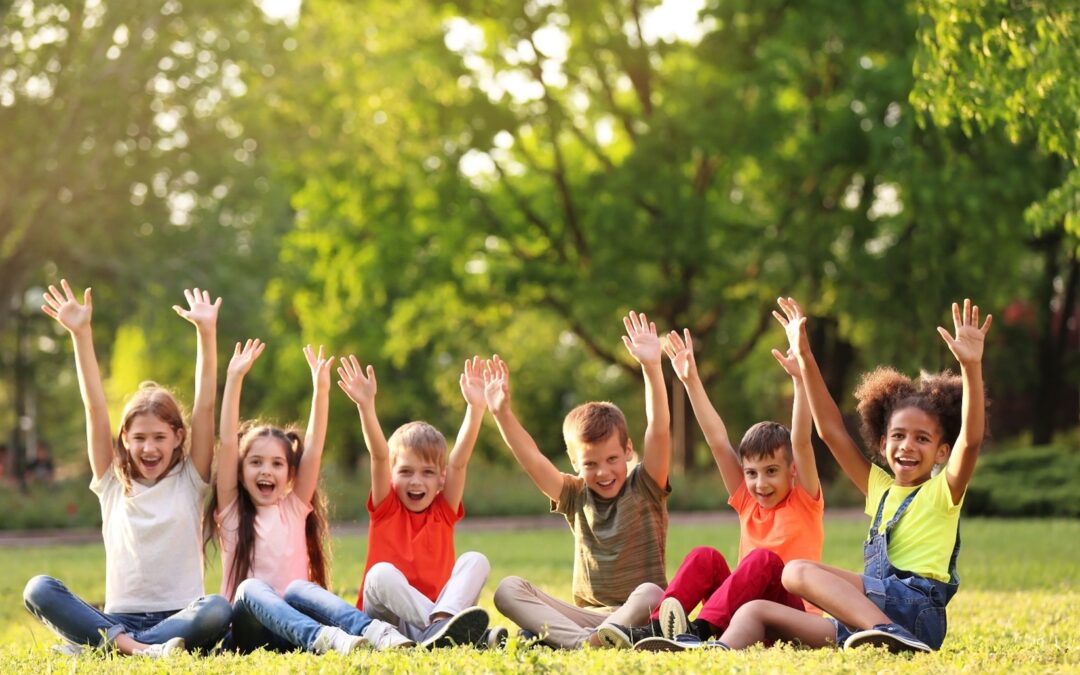
When you’re looking into summer camps in Hampstead, MD, you may be picturing wide-open spaces, active days, and children who come home with stories about what they discovered outside.
Outdoor eco-learning camps take that vision a step further. They turn nature into a living classroom—where science, movement, and curiosity all come together.
And the best part? It still feels like summer.
What Is Outdoor Eco-Learning?
Outdoor eco-learning introduces children to environmental concepts through direct experience. Instead of talking about science in theory, children explore it with their hands, eyes, and questions. They might:
- Examine insects and discuss where they live
- Compare different types of leaves or rocks
- Notice how weather affects their surroundings
- Explore soil and talk about what helps plants grow
Learning happens through observation and conversation.
Nature as a STEM Classroom
STEM—science, technology, engineering, and math—doesn’t require a lab coat. In outdoor camps, it unfolds naturally.
Children may:
- Build structures using natural or recycled materials
- Experiment with water flow and gravity
- Measure distances during outdoor challenges
- Track small changes over time, like plant growth
Teachers guide campers by asking thoughtful questions that encourage prediction and reflection. What do you think will happen? Why did that change?
Curiosity drives the process.
Movement and Problem-Solving Go Hand in Hand
Outdoor adventures also strengthen physical development.
Climbing, balancing, running, and navigating obstacle courses help children build coordination and body awareness. At the same time, they learn to:
- Assess safe risks
- Adjust strategies
- Work as a team
- Try again when something doesn’t work
These experiences build resilience in subtle but meaningful ways.
Encouraging Environmental Responsibility
Eco-learning also introduces simple environmental awareness. Campers may participate in:
- Reusing materials in art or building projects
- Caring for shared outdoor spaces
- Talking about how their actions affect the environment
These conversations are grounded in real experiences children can see and understand.
Social Growth in the Outdoors
Nature creates space for collaboration. During group challenges and exploration, children practice:
- Sharing discoveries
- Listening to peers
- Navigating disagreements respectfully
- Celebrating shared accomplishments
Teachers support these moments, helping children connect actions to outcomes.
What You’ll Notice After Camp
After attending summer camps in Hampstead, MD, with an outdoor eco-learning focus, you may notice your child:
- Asking more questions about nature
- Showing curiosity about how things work
- Demonstrating persistence when building or experimenting
- Talking proudly about discoveries they made outside
They’ll still come home excited about games and themed activities. But you’ll also see growing confidence and awareness rooted in hands-on exploration and meaningful outdoor experiences.