
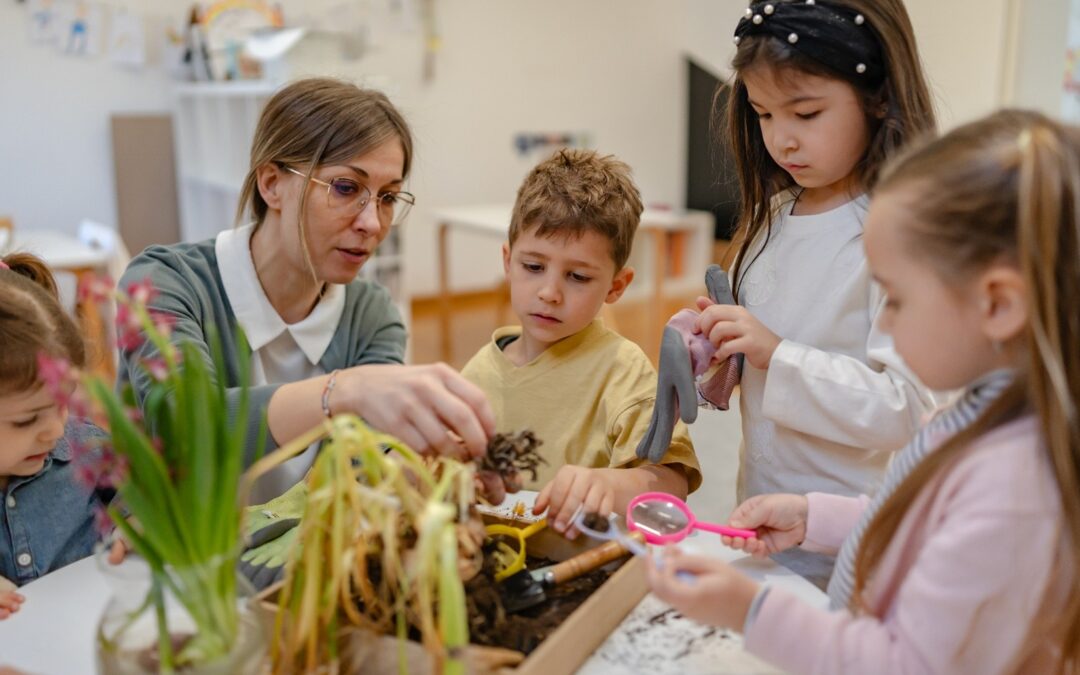
You might hear “learning through play” and picture a lot of movement, conversation, and creativity.
That part is true.
What’s not always clear is how much learning is actually happening in those moments.
If you’re looking into child care in Frederick, MD, it helps to look a little closer at what’s happening beneath the surface.
It Starts With How Children Naturally Learn
Young children aren’t passive learners. They learn by:
- Exploring
- Testing ideas
- Repeating actions
- Interacting with others
Play gives them the opportunity to do all of that in a way that feels natural. It’s not a break from learning. It’s how learning takes shape.
Interest Drives Engagement
Children are more likely to stay focused when something captures their attention. That’s why strong programs lean into interest-based learning. Teachers watch for:
- What children are excited about
- What they ask questions about
- What they return to throughout the day
Those interests become the starting point for deeper exploration.
How a Simple Interest Becomes a Learning Experience
Let’s say children become interested in water. That might turn into:
- Pouring and measuring
- Noticing how objects sink or float
- Experimenting with movement and flow
What looks like simple play is actually building:
- Early science concepts
- Problem-solving skills
- Coordination and focus
The child is learning because they’re engaged, not because they’re being directed to memorize something.
Teachers Are Constantly Guiding the Process
This approach depends on active teaching. Educators are:
- Observing how children respond
- Asking questions that encourage thinking
- Introducing new concepts at the right moment
- Adjusting based on each child’s development
At Celebree, this guidance is supported through ongoing observation and assessment that happens naturally during daily activities. Children aren’t pulled away from play to be evaluated. Learning is observed in real time and used to guide what comes next.
What It Looks Like During the Day
These learning moments happen throughout the day in ways that can feel familiar.
- A child building a structure is learning balance, design, and persistence
- A group working together is learning communication and cooperation
- Outdoor exploration supports movement, coordination, and awareness
Each experience builds on the next.
Why This Approach Works
Children learn more deeply when they:
- Stay engaged
- Try things on their own
- Work through challenges
Play creates the environment for that to happen. Instead of memorizing, children are understanding.
It Supports the Whole Child
Learning through play builds more than early academic skills.
It supports:
- Independence
- Confidence
- Emotional development
- Communication
These are the skills children rely on when they move into more structured learning environments.
What You May Notice at Home
Children who are learning this way often bring it with them.
You might see:
- More curiosity about everyday situations
- More detailed or imaginative play
- More independence in simple tasks
These are signs that learning is connecting beyond the classroom.
What to Look for in a Program
If you’re evaluating child care in Frederick, MD, it’s worth asking:
- How do teachers guide play?
- How do they respond to children’s interests?
- How do they support different stages of development?
Those details will help you understand how intentional the program really is.
Learning Through Play in Frederick
At Celebree School of Frederick-Spring Ridge, learning through play is thoughtfully designed and guided throughout the day.
Teachers observe, engage, and build on each child’s interests to create meaningful learning experiences. Activities are structured in a way that feels natural while supporting real growth and development.
From the outside, it may look like play.
What’s happening is children building understanding, confidence, and the skills they’ll carry forward.