
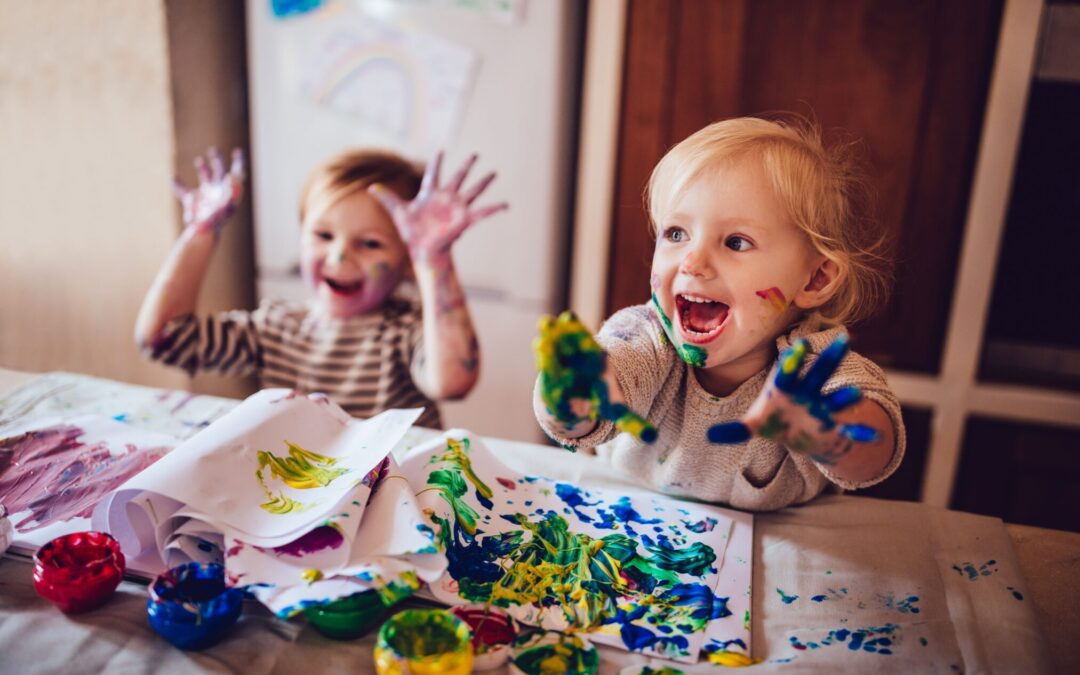
Colors and their many shades play a significant role in how preschoolers experience the world. They promote different emotions, and before a child can name those emotions, they’re already responding to them. Newborns initially recognize strong contrasts such as black, grey, and white; however, within a few months, brighter shades like red, yellow, and blue begin to stand out.
As children grow, color becomes a huge part of how they play and explore their surroundings. Brighter tones can influence curiosity and encourage movement, while softer tones may create a calmer atmosphere where they can focus. At Celebree School of Stafford, color becomes a critical part of learning when students begin to notice patterns or sort toys. To educators, these are more than mere milestones as they truly help build confidence and observation skills.
Classroom activities like art give children a chance to express themselves and explore colors and their meaning. Choosing yellow because it seems like a happy color, or even blue to display sadness, are ways that children begin to associate colors with feelings.
Pastel shades are extremely useful in learning environments. Colors like soft pinks, lavender, and light greens create a gentle environment that still welcomes creativity. These moments turn simple art activities into a space for learning and emotional growth.
Resources: