
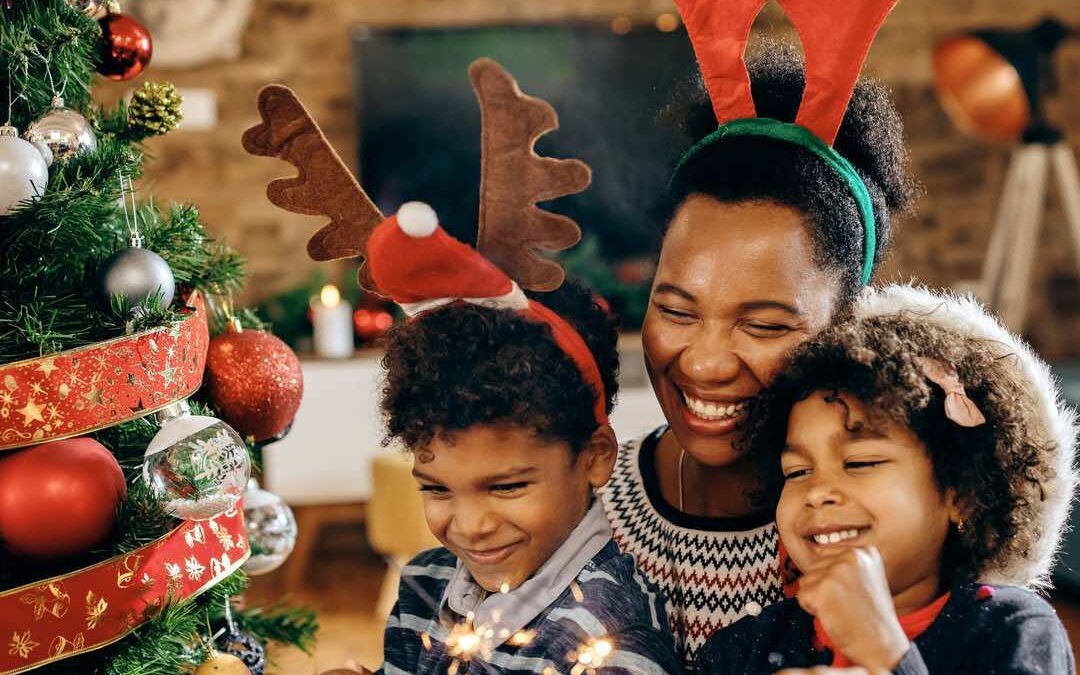
While not everyone celebrates the same traditions, this time of year is often filled with hope, celebration, and togetherness. For children, the lights and special activities can feel exciting and magical.
At the same time, the holidays can also bring big emotions. Changes in routine, busy schedules, and heightened expectations can feel overwhelming for some children. Even when kids participate in seasonal activities at school, their experiences at home may look very different from their peers’. This contrast can impact a child’s emotional well-being, especially if they’re noticing what they don’t have rather than what they do.
That’s why it’s important for adults to approach the holidays with care and awareness. Checking in with children, keeping routines as consistent as possible, and creating space for conversation can help support their mental health during this busy season. For many children, the most meaningful part of the holidays isn’t gifts or traditions, but feeling safe, seen, and connected.
When we focus on gratitude and family, the holidays become less about comparison and more about comfort. No matter how the season is celebrated, those moments of connection are what children carry with them long after the holidays end.