
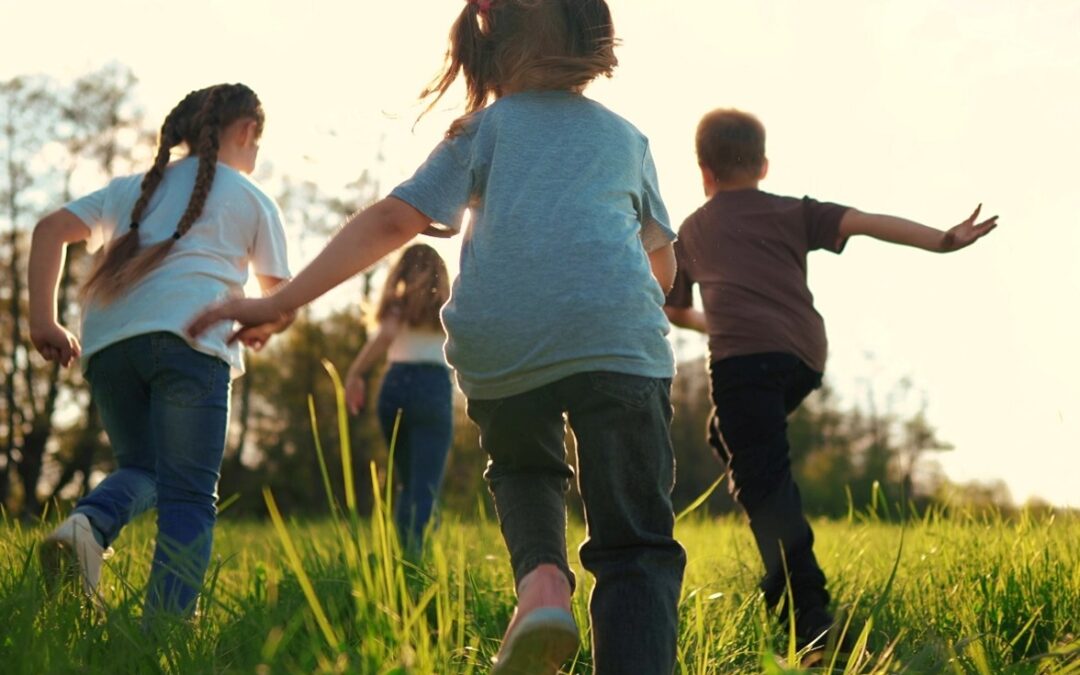
When you picture summer, you probably imagine sunshine, fresh air, and children coming home with grass-stained sneakers. If you’re searching for summer camps in Nottingham, MD, you may also be hoping your child spends less time indoors and more time exploring.
Outdoor eco-learning camps blend nature, science, and hands-on discovery in ways that feel like pure summer fun. But underneath the excitement, something meaningful is happening.
Your child is learning to observe, question, and care for the world around them.
What Is Eco-Learning?
Eco-learning introduces children to environmental awareness in age-appropriate ways. It’s not heavy or abstract. It’s experiential.
Children might:
- Observe plant growth and talk about what living things need
- Compare leaves, rocks, or natural materials
- Notice weather patterns and seasonal changes
- Discuss ways to reuse or recycle materials
These experiences introduce early science concepts while helping children understand their connection to nature.
How Does Outdoor Learning Support Scientific Discovery?
Science becomes tangible outdoors. Instead of reading about ecosystems, your child can:
- Watch insects move and discuss habitats
- Experiment with water flow during water play
- Build structures using natural materials
- Track shadows to see how sunlight changes throughout the day
Outdoor environments naturally invite questions. Why did that plant wilt? What makes something float? How do we make this structure more stable?
Teachers guide these moments with thoughtful questions, helping children test ideas and reflect on outcomes.
Why Movement Matters in Eco-Learning
Outdoor camps also support physical development. Climbing, balancing, running, and cooperative games strengthen gross motor skills while encouraging confidence and risk assessment.
When your child navigates an obstacle course or works with peers to complete a team challenge, they’re building:
- Coordination
- Problem-solving skills
- Social cooperation
- Resilience
Physical growth and cognitive development are closely connected. Movement supports thinking.
Building Responsibility Through Sustainability
Eco-learning also introduces simple sustainability practices. Children may participate in:
- Sorting materials for recycling
- Reusing items for art and building projects
- Caring for shared outdoor spaces
- Discussing ways to reduce waste
These small habits build awareness and responsibility without overwhelming children.
Instead of being told to “protect the planet,” your child experiences what that means in practical ways.
Supporting Social-Emotional Growth Outdoors
Nature offers powerful opportunities for social-emotional development.
Outdoor group projects encourage collaboration. Unexpected challenges—like a tower falling or a change in weather—provide moments to practice flexibility and composure.
With guidance, children learn to:
- Manage frustration
- Encourage peers
- Try again after setbacks
- Celebrate shared success
Confidence grows when children overcome small challenges in supportive environments.
What You’ll Notice After Camp
After participating in a summer camp that prioritizes outdoor eco-learning, you may notice your child:
- Asking more questions about nature
- Showing curiosity about how things work
- Taking pride in caring for their environment
- Demonstrating greater persistence when solving problems
They’ll still have summer stories about water play, group games, and outdoor adventures. But they’ll also have something deeper: a growing understanding that learning doesn’t only happen indoors.
Sometimes it starts with dirt under their fingernails and a simple question about how the world works.